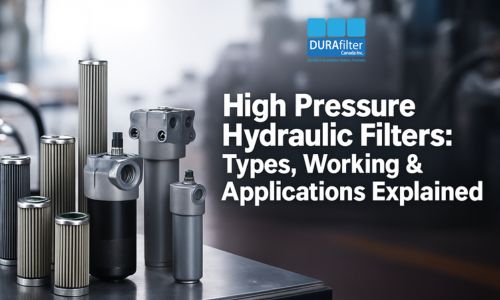
Maintaining clean hydraulic fluid is essential for ensuring the performance, reliability, and long service life of any hydraulic system. Among the different filtration components used in industrial plants and mobile machinery, High Pressure Hydraulic Filters are especially important. These filters are engineered to operate in zones where pressure is highest, protecting sensitive components from harmful contaminants. By providing efficient Hydraulic Fluid Filtration, they help prevent wear, system failures, and costly downtime.
As modern hydraulic equipment becomes more advanced and operates in extreme environments, the need for durable and efficient Hydraulic Pressure Filters has grown rapidly. With robust Hydraulic Filter Element, these filters withstand high pressures while maintaining optimal cleanliness. Their reliability makes them indispensable in construction, manufacturing, automation, and heavy-duty applications, ensuring smooth performance, higher productivity, and extended system life.
Introduction to High Pressure Hydraulic Filters in Hydraulic Systems
High Pressure Hydraulic Filters are filtration devices designed to operate in locations where hydraulic pressure is at its highest typically downstream of the pump. Since pumps generate a continuous flow of oil at high pressure, contaminants entering this section can significantly damage sensitive components such as valves, actuators and servo systems.
The main purpose of High Pressure Hydraulic Filters is to ensure that hydraulic fluid remains clean, free from contaminants and suitable for smooth system operation. Contamination is one of the most common causes of hydraulic system failure, making Industrial Hydraulic Filters an essential part of overall system health.
These filters are built to withstand pressure levels ranging from 3,000 to 6,000 PSI or more, depending on the application. Their robust construction, high-quality filter elements and precision engineering make them ideal for harsh industrial conditions. Due to their placement near the heart of the hydraulic circuit, High Pressure Filters provide the first line of defense against contaminants that could cause immediate system failure.
High pressure filtration is especially necessary in systems that operate with high-speed pumps, servo controls and proportional valves, where even microscopic particles can severely impact system performance. With an effective contamination control strategy supported by hydraulic oil filters and proper filtration equipment, organizations can significantly improve the reliability and productivity of their hydraulic machinery.
Types of Hydraulic Pressure Filters and Their Functions
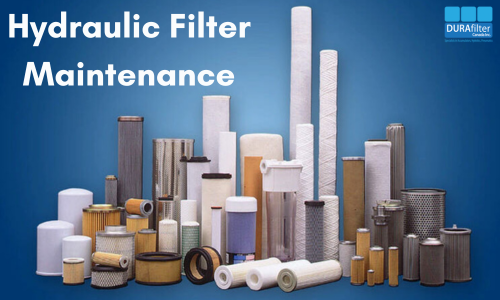
Hydraulic filtration technology has evolved over the years to cater to various system requirements. Today, manufacturers offer different types of hydraulic filters that are designed to handle specific pressure ranges, contamination levels and operational conditions.
Below are the most common hydraulic filter types used in high-pressure environments:
a) Inline High Pressure Filters
These filters are installed directly into the hydraulic line and are ideal for systems with limited space. Inline High Pressure Filters offer high flow capacity and reliable contaminant retention.
b) Manifold-Mounted Pressure Filters
Mounted directly onto the hydraulic manifold, these filters reduce space requirements and help simplify the hydraulic circuit. They offer easy servicing and efficient filtration.
c) Spin-On High Pressure Filter Elements
Spin-on filters provide a quick and convenient replacement option. They are widely used in mobile equipment and compact hydraulic systems.
d) Duplex High Pressure Filters
Duplex or dual filter assemblies allow for continuous filtration without downtime. One filter remains in operation while the other is serviced or replaced.
e) High Pressure Return Line Filters
Although return line filters generally operate at lower pressures compared to pressure filters, certain systems require high pressure return filtration. These filters prevent contaminants from re-entering the hydraulic circuit.
Each hydraulic filters types comes with a specific function and capability. The choice depends on system requirements, contamination levels and available space.
Additionally, selecting the right hydraulic replacement filters ensures continuous reliability. Using poor-quality or incorrect elements can lead to increased wear, pressure drop and system inefficiencies.
Working Principle of High Pressure Filters in Hydraulic Fluid Filtration
Understanding the working principle of High Pressure Filters is essential for selecting the correct unit for industrial applications. These filters operate on a simple but highly effective filtration process that removes solid particles, debris and other contaminants from hydraulic oil.
- Hydraulic Fluid Enters the Filter Housing
When hydraulic fluid is pumped through the system, it first enters the filter housing at high pressure. This is where filtration begins.
- Contaminants Are Captured by Filter Media
The fluid passes through a specially designed filter element made of microglass, cellulose or wire mesh. The filter media traps contaminants of various micron sizes, ensuring only clean oil flows downstream.
- Clean Oil Exits and Continues Through the Hydraulic Circuit
Once contaminants are removed, purified hydraulic fluid flows through the outlet and is delivered to critical components such as cylinders, valves and actuators.
- Differential Pressure Indicator Monitors Filter Status
Most High Pressure Hydraulic Filters include a differential pressure indicator that alerts operators when the filter element becomes clogged. This helps prevent flow resistance, pressure drops and potential system damage.
The efficiency of Hydraulic Fluid Filtration depends on several factors including filter media quality, micron rating, flow rate and system pressure. High Pressure Filters ensure reliable performance even under extreme stress, providing consistent protection against contaminants.
Role of Hydraulic Filter Assemblies in Contamination Control
Hydraulic contamination is the leading cause of equipment breakdown, accounting for nearly 70–80% of hydraulic failures. This makes hydraulic filter assemblies an essential part of system design.
- Preventing Component Wear
Contaminants such as metal particles, dust, fibers and moisture can damage pump surfaces, scoring valve components and reducing efficiency. High Pressure Hydraulic Filters help eliminate these harmful particles before they cause damage.
- Enhancing System Reliability
By preventing contamination, Hydraulic Pressure Filters extend the lifespan of system components. Reduced wear means fewer downtime events, lower maintenance costs and improved operational efficiency.
- Supporting Efficient Fluid Flow
Clean hydraulic fluid ensures smoother and faster movement of components, reducing energy losses and overall system strain.
- Protecting Sensitive Components
Servo valves, proportional valves and precision hydraulic components require extremely clean oil. High Pressure Filters protect these components from contamination-related failures.
- Ensuring Consistent Performance in Harsh Environments
Industrial machinery often operates under extreme temperatures, heavy loads and high pressures. Using the right hydraulic high pressure filters minimizes contamination risks in such demanding environments.
Effective contamination control using advanced filtration solutions ensures that filters in hydraulic systems work cohesively to maintain fluid cleanliness and operational integrity.
Industrial Applications of High Pressure Hydraulic Filters
High Pressure Hydraulic Filters are essential components across a wide range of industries where hydraulic systems operate under extreme pressure, heavy loads and challenging environmental conditions. Their primary function is to protect sensitive hydraulic components from contamination, ensuring smooth operation, long-term reliability and reduced downtime. Below are some of the most common industrial applications where these filters play a vital role.
a) Construction Machinery
Hydraulic systems in excavators, loaders, bulldozers, cranes and other construction machinery constantly encounter dust, dirt and abrasive debris. High Pressure Hydraulic Filters remove these contaminants, ensuring uninterrupted performance and extending component life. This filtration is crucial for machines working in rugged outdoor environments.
b) Manufacturing and Industrial Automation
In industries relying on precision equipment such as CNC machines, robotic arms and automated production lines clean hydraulic fluid is essential. High-pressure filtration helps maintain accuracy, repeatability and speed by preventing wear in servo valves, actuators and other precision components.
c) Oil & Gas Industry
Hydraulic systems used in drilling rigs, subsea equipment and offshore platforms face some of the harshest operating conditions. Robust contamination control through High Pressure Filters helps prevent failures, ensures consistent drilling operations and supports the safe functioning of hydraulic power units.
d) Aerospace and Defense
Aircraft landing gear systems, flight control mechanisms and military hydraulic equipment demand ultra-clean hydraulic fluid. Even minute contamination can compromise safety or cause system failure. High Pressure Hydraulic Filters guarantee high performance under extreme pressures and varying temperatures.
e) Marine & Offshore Applications
Marine steering systems, deck machinery, offshore cranes and winches operate in corrosive and moisture-rich environments. Hydraulic Pressure Filters safeguard these systems from contamination and corrosion, ensuring dependable operation in harsh marine conditions.
f) Heavy Industrial Equipment
Press machines, metal-forming units and injection molding systems rely on Industrial Hydraulic Filters to maintain pressure consistency and operational efficiency. Contamination control reduces wear and improves production reliability.
g) Mobile Hydraulic Equipment
Agricultural tractors, forklifts and material-handling vehicles require high pressure filtration to ensure stable hydraulic performance in diverse environments.
In all these applications, using high-quality hydraulic replacement filters ensures long-term system protection, optimized performance and cost-effective maintenance.
Conclusion
High Pressure Hydraulic Filters are vital components in modern hydraulic systems. They ensure efficient Hydraulic Fluid Filtration, protect sensitive components and enhance overall system performance. Understanding the different types of hydraulic filters, their working principles and industrial applications helps engineers select the most suitable Hydraulic Pressure Filters for their operational needs.
By using high-quality hydraulic oil filters, high pressure filter assemblies and proper contamination control practices, industries can significantly improve system reliability, reduce downtime and enhance equipment lifespan.