When it comes to high-performance hydraulic systems, the axial piston hydraulic pump stands as one of the most efficient and versatile solutions available. These precision-engineered components form the backbone of countless industrial applications, from construction machinery to aerospace systems. Understanding their mechanics, types, and applications is crucial for selecting the right hydraulic solution for your specific needs.
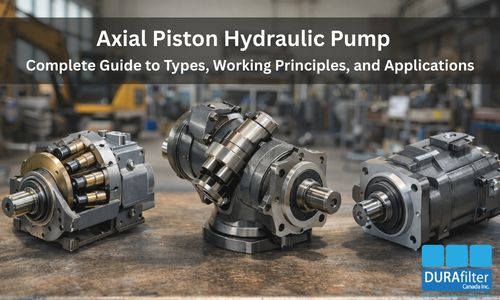
What is an Axial Piston Hydraulic Pump?
An axial piston hydraulic pump is a positive displacement pump that uses multiple pistons arranged parallel to the drive shaft to generate hydraulic pressure. Unlike radial piston pumps, the pistons in an axial configuration move back and forth along the axis of rotation, creating a compact yet powerful pumping mechanism.
These pumps excel in applications requiring high pressure, precise control, and efficient operation. Their design allows for variable displacement capabilities, making them ideal for systems where flow rate adjustments are necessary during operation.
Axial Piston Pump Working Principles
Basic Operating Mechanism
The axial piston pump working principle revolves around the coordinated movement of pistons within cylinder barrels. As the drive shaft rotates, it turns a cylinder barrel containing multiple pistons. These pistons are connected to a swash plate or bent axis mechanism that controls their reciprocating motion.
During the suction phase, pistons retract, creating a vacuum that draws hydraulic fluid into the cylinders through inlet ports. As rotation continues, the pistons extend during the compression phase, forcing the fluid out through outlet ports at high pressure.
Swash Plate vs. Bent Axis Design
Two primary designs dominate axial piston pump construction:
- Swash Plate Design: Features pistons connected to a tilted swash plate. The angle of the plate determines stroke length and, consequently, displacement volume. Variable displacement is achieved by adjusting the swash plate angle.
- Bent Axis Design: Uses pistons connected to a drive flange set at an angle to the cylinder barrel axis. This configuration typically offers higher pressure capabilities and better efficiency at high speeds.
Comprehensive Guide to Axial Piston Pump Types
Fixed Displacement Axial Piston Pumps
Fixed displacement pumps maintain constant output volume per revolution. These units are ideal for applications requiring consistent flow rates, such as cooling systems or simple hydraulic circuits. Their simpler construction often translates to lower initial costs and reduced maintenance requirements.
Variable Displacement Axial Piston Pumps
Variable displacement pumps offer adjustable output by changing the effective stroke length of the pistons. This capability provides several advantages:
- Energy efficiency through flow matching
- System pressure control
- Speed regulation in hydraulic motors
- Reduced heat generation during low-demand periods
Pressure-Compensated Pumps
These sophisticated pumps automatically adjust displacement based on system pressure, maintaining optimal efficiency across varying load conditions. They’re particularly valuable in applications where load demands fluctuate significantly.
Axial Displacement Pump Applications
Axial displacement pump technology finds extensive use across numerous industries:
- Construction Equipment: Excavators, loaders, and cranes rely on axial piston pumps for their main hydraulic functions, providing the high pressure needed for lifting heavy loads and precise positioning.
- Industrial Machinery: Manufacturing equipment, injection molding machines, and presses utilize these pumps for their reliability and precise control capabilities.
- Mobile Equipment: Agricultural machinery, forestry equipment, and material handling vehicles benefit from the compact design and high power-to-weight ratio of axial piston pumps.
- Marine Applications: Ship steering systems, deck machinery, and propulsion systems often employ axial piston technology for its reliability in harsh marine environments.
For applications where simplicity, durability, and cost efficiency are priorities, our Hydraulic Gear Pump range offers a reliable alternative for consistent flow and dependable performance.
Understanding Axial Flow Piston Pump Characteristics
An axial flow piston pump specifically refers to the fluid flow direction through the pump mechanism. In these systems, fluid enters and exits the pump parallel to the drive shaft axis, creating several operational advantages:
- Reduced internal turbulence
- Improved volumetric efficiency
- Lower noise levels
- Enhanced durability due to reduced internal stress
This configuration is particularly beneficial in high-speed applications where smooth fluid flow is essential for maintaining pump longevity and system performance.
Axial Hydraulic Motor Integration
While discussing axial piston pumps, it’s important to understand their relationship with axial hydraulic motor technology. Many axial piston pumps can function as motors when pressurized fluid is supplied to them, demonstrating the versatility of this design.
This dual functionality offers several system benefits:
- Simplified inventory management
- Reduced component costs
- Enhanced system flexibility
- Easier maintenance procedures
Performance Optimization and Efficiency
Factors Affecting Pump Performance
Several critical factors influence axial piston hydraulic pump performance:
- Operating Pressure: Higher pressures generally reduce volumetric efficiency due to increased internal leakage, but modern designs include advanced sealing technologies to minimize this effect.
- Speed Range: Each pump has an optimal operating speed range where efficiency peaks. Operating outside this range can lead to reduced performance and increased wear.
- Fluid Quality: Clean, properly conditioned hydraulic fluid is essential for optimal pump performance and longevity. Contamination can severely impact internal clearances and sealing effectiveness.
- Temperature Control: Maintaining proper operating temperatures ensures optimal fluid viscosity and prevents thermal degradation of pump components.
Learn More About: Hydraulic Pump Failure
Maintenance Best Practices
Regular maintenance is crucial for maximizing pump life and performance:
- Monitor system pressure and flow rates
- Maintain proper fluid filtration
- Check for unusual noise or vibration
- Inspect connections for leaks
- Follow manufacturer-recommended service intervals
Selection Criteria for Optimal Performance
Choosing the right axial piston hydraulic pump requires careful consideration of several factors:
- Pressure Requirements: Determine maximum operating pressure and any pressure spikes the system may encounter.
- Flow Rate Needs: Calculate required flow rates at various operating conditions, considering both peak and continuous demands.
- Control Requirements: Assess whether variable displacement capabilities are necessary for your application.
- Environmental Conditions: Consider operating temperature ranges, contamination levels, and space constraints.
- Efficiency Goals: Evaluate the importance of energy efficiency versus initial cost considerations.
Advanced Technologies and Innovations
Modern axial piston hydraulic pumps offer numerous technological advances:
- Electronic Controls: Digital displacement control systems provide precise flow and pressure regulation while optimizing energy consumption.
- Advanced Materials: High-strength alloys and specialized coatings extend pump life and enable operation in challenging environments.
- Noise Reduction: Sophisticated design techniques minimize operational noise, crucial for mobile equipment and indoor applications.
- Condition Monitoring: Integrated sensors enable real-time performance monitoring and predictive maintenance capabilities.
Troubleshooting Common Issues
Understanding common problems helps maintain optimal pump performance:
- Reduced Flow Output: Often caused by worn internal components, incorrect swash plate adjustment, or system leaks.
- Excessive Noise: May indicate cavitation, worn bearings, or contaminated hydraulic fluid.
- Overheating: Usually results from excessive pressure, inadequate cooling, or internal component wear.
- Erratic Operation: Can be caused by air in the system, contaminated fluid, or worn control components.
Our extensive selection of pumps and motors includes industry-leading axial piston hydraulic pumps designed for demanding applications.
Contact our technical experts today for personalized pump selection guidance and discover how the right axial piston hydraulic pump can optimize your system performance while reducing operational costs.
FAQs
- How long do axial piston hydraulic pumps typically last?
Ans: With proper maintenance and operating conditions, quality axial piston pumps can operate for 8,000-15,000 hours or more, depending on application severity and maintenance practices. - Can axial piston pumps operate in both directions?
Ans: Yes, most axial piston pumps can operate bidirectionally, though efficiency and performance characteristics may vary depending on the specific design and intended primary rotation direction. - What’s the main advantage of variable displacement over fixed displacement pumps?
Ans: Variable displacement pumps offer superior energy efficiency by matching output to system demand, reducing heat generation and power consumption during partial load conditions. - How do I prevent cavitation in my axial piston pump?
Ans: Ensure adequate inlet pressure, maintain proper fluid temperature, use appropriately sized suction lines, and avoid excessive pump speeds that could create suction-side vacuum conditions.