Hydraulic pump noise that suddenly appears during operation signals developing problems requiring immediate attention. That new whining sound from your pump isn’t normal wear, it’s cavitation destroying internal components. The grinding noise you’ve been ignoring indicates bearing failure that will shut down your entire system within days. Understanding what different hydraulic pump noise problems mean and how to diagnose root causes prevents the catastrophic failures that follow ignored warning signs.
Most facilities tolerate increasing noise in hydraulic systems until pumps fail completely, forcing emergency repairs during production hours at premium costs. This reactive approach wastes thousands in unnecessary downtime and component damage that proper troubleshooting would prevent. hydraulic pump making whining noise rarely develops without underlying causes that systematic diagnosis can identify and correct before expensive failures occur.
This troubleshooting framework helps maintenance professionals identify specific hydraulic pump noise problem sources, distinguish between urgent failures and developing issues, and implement targeted fixes restoring quiet, efficient operation. By understanding what pump sounds indicate and following proven diagnostic procedures, you can address problems early when repairs remain simple and inexpensive.
Understanding Normal vs. Abnormal Pump Noise
Every hydraulic pump generates operational noise from rotating elements, fluid displacement, and pressure pulsations. Distinguishing normal sound levels from problem indicators requires understanding baseline operation and recognizing changes signaling developing issues.
- Normal operating sound from quality vane, piston, or gear pumps remains consistent and relatively quiet during steady-state operation. Slight noise variations with load changes are expected, but sudden increases or new sound characteristics indicate problems requiring investigation.
- Noise frequency provides diagnostic clues about problem sources. High-pitched whining typically indicates cavitation or aeration, while low-frequency grinding suggests mechanical wear. Knocking or hammering sounds point to loose components or severe internal damage requiring immediate attention.
- Sound intensity changes over time reveal developing problems even when noise characteristics remain similar. Gradual volume increases indicate progressive wear, contamination damage, or mounting problems that worsen until intervention occurs.
Cavitation: The Most Common Hydraulic Pump Noise Problem
Cavitation represents the leading cause of hydraulic pump noise in industrial and mobile equipment. This destructive condition occurs when pumps cannot draw adequate fluid to fill pumping chambers, creating vapor bubbles that collapse violently when exposed to discharge pressure.
Recognizing Cavitation Noise
Cavitation produces distinctive high-pitched whining or screaming sounds that intensify under load. The noise results from bubble collapse creating shock waves that damage internal pump surfaces while generating the characteristic sound. Severe cavitation sounds like gravel running through the pump, an accurate description of the damage occurring to precision surfaces.
Cavitation Root Causes
- Restricted inlet lines represent the most common cavitation cause. Undersized suction piping, partially closed valves, or clogged inlet strainers prevent adequate flow reaching the pump. Even small restrictions create pressure drops causing fluid vaporization at pump inlets.
- Incorrect fluid viscosity contributes to cavitation when oil becomes too thick for ambient temperatures. Cold starts with thick oil create inlet vacuum exceeding fluid vapor pressure, causing bubble formation. This problem particularly affects outdoor equipment and unheated facilities during winter operation.
- Low reservoir fluid level allows vortex formation drawing air into pump inlets. Maintaining proper fluid levels prevents this common problem, yet facilities routinely operate with reservoirs barely covering inlet fittings. Minimum fluid levels should exceed inlet openings by several inches preventing vortex formation during operation.
- Excessive pump speed for given inlet conditions can cause cavitation even with adequate line sizing and fluid levels. Some applications overdrive pumps beyond manufacturer recommendations, creating inlet velocities that cannot be sustained without vapor formation.
Cavitation Solutions
Addressing cavitation requires identifying and correcting root causes rather than simply tolerating destructive noise:
- Increase inlet line size to reduce friction losses and flow velocity. Suction lines should be at least one size larger than pump inlet ports, with velocity kept below 4 feet per second preventing excessive pressure drops.
- Install larger inlet strainers with adequate flow area preventing restriction. Strainer mesh should be 100-150 microns, much coarser than system filtration elements protecting components downstream. Fine inlet filtration guarantees cavitation in most applications.
- Verify fluid viscosity matches operating temperatures. Use hydraulic oils with appropriate viscosity grades for ambient conditions, or provide reservoir heating for cold-weather operation preventing excessive thickness during startup.
- Reduce pump RPM if cavitation persists despite adequate inlet conditions. Some applications benefit from slight speed reduction trading maximum flow capacity for reliable operation without cavitation damage.
Air Entrainment and Aeration Problems
Air entering hydraulic systems creates noise similar to cavitation but results from different causes requiring specific solutions. Unlike cavitation’s localized bubble formation, aeration involves air mixed throughout the fluid creating spongy operation and excessive noise.
Identifying Aeration Noise
Aeration produces erratic, sputtering noise as air bubbles pass through pumps. The sound varies with air content and may include popping or crackling as bubbles collapse under pressure. Severely aerated systems develop foamy reservoir fluid clearly visible during inspection.
Common Air Entry Points
- Leaking pump shaft seals allow air ingress where rotating shafts exit housings. Worn seals permit atmospheric air entering during suction strokes, mixing with hydraulic fluid and creating aeration. External leakage often accompanies this problem, but seals can pass air without visible fluid loss.
- Loose inlet connections create vacuum leaks drawing air into suction lines. Threaded fittings, flange gaskets, and hose connections all represent potential air entry points. Even small leaks cause significant aeration as repeated pump cycles continuously draw air into systems.
- Return line agitation occurs when return flow splashes into reservoir fluid, entraining air that pumps draw into suction lines before settling occurs. Return lines must terminate below fluid surface with flow directed to minimize turbulence and air entrainment.
Aeration Corrections
Eliminating air entry points and allowing proper separation solves most aeration problems:
- Replace worn shaft seals preventing air ingress at pump housings. Quality seals installed properly prevent both fluid leakage and air entry while tolerating normal shaft runout.
- Tighten all suction connections and verify gasket condition at flanged joints. Apply thread sealant to threaded connections preventing microscopic air leaks that cause cumulative problems.
- Extend return lines below reservoir fluid surface, directing flow to minimize turbulence. Baffled reservoirs separate return flow from suction pickups allowing air release before fluid recirculates.
Mechanical Wear and Bearing Noise
Mechanical problems within pumps create distinctive grinding, scraping, or knocking sounds indicating component wear or damage requiring repair or replacement.
Bearing Failure Indicators
- Grinding noise intensifying with load indicates bearing wear allowing metal-to-metal contact. Failed bearings permit shaft deflection that damages internal pumping elements while generating progressively worse noise. Bearing problems require immediate attention preventing catastrophic failure and extensive collateral damage.
- Knocking sounds suggest loose bearings or excessive clearances allowing impact loading during operation. These intermittent noises worsen as wear progresses, eventually causing complete bearing failure and pump destruction.
Internal Component Wear
- Gear tooth wear in gear pumps creates increased noise as clearances open and meshing becomes imprecise. Contamination damage accelerates this wear, with particle scoring creating rough surfaces that generate noise while reducing pump efficiency.
- Vane wear in vane pumps allows tip clearances increasing internal leakage and noise. Worn vanes may chatter against cam rings rather than maintaining smooth contact, creating rattling sounds indicating replacement needs.
- Piston wear in piston pumps generates noise through multiple mechanisms including cylinder bore scoring, slipper pad damage, and swashplate wear. These precision components require tight clearances for proper operation, with wear quickly degrading performance while increasing noise.
Mechanical Repair Solutions
Addressing mechanical wear typically requires professional pump service or replacement:
- Bearing replacement during pump overhaul restores proper shaft support preventing further damage. Quality rebuilds include bearing replacement as standard practice regardless of apparent condition.
- Internal component replacement returns pumps to original specifications when wear hasn’t damaged housings or other major castings. Professional rebuild services have parts availability and expertise completing quality repairs.
- Complete pump replacement proves economical when internal damage is extensive or housing wear prevents reliable rebuilding. New or remanufactured pumps often cost less than complex repairs on severely damaged units.
Mounting and Coupling Problems
Improper installation creates noise from sources external to pumps themselves but often mistaken for internal pump problems.
Misalignment Issues
- Coupling misalignment between pump shafts and drive motors generates vibration and noise transmitted through mountings. Angular and parallel misalignment both cause problems, with noise varying based on coupling type and severity of misalignment.
- Flexible coupling wear allows greater misalignment while generating clunking sounds during torque reversals. Worn coupling elements require replacement and alignment verification preventing recurrence.
Mounting Problems
- Loose mounting bolts allow pumps vibrating against mounting surfaces creating rattling or buzzing noise distinct from internal pump sounds. Proper torque on mounting hardware eliminates this simple but commonly overlooked problem.
- Inadequate mounting surfaces that flex under load allow pump movement generating noise and vibration. Reinforcing mounting structures and ensuring flat, rigid mounting surfaces eliminates flex-related problems.
Installation Corrections
- Precision alignment using dial indicators or laser alignment tools ensures proper coupling alignment preventing vibration and noise. Following manufacturer alignment specifications prevents both immediate problems and accelerated wear.
- Torque mounting hardware to specifications preventing loosening during operation. Lock washers or thread-locking compounds prevent bolt loosening from vibration.
Contamination-Related Noise
Particle contamination accelerates pump wear while creating noise from damaged surfaces and disrupted fluid flow.
- Scoring damage from abrasive particles creates rough surfaces that generate noise during operation. Pumps experiencing contamination damage produce grinding sounds as scored surfaces pass each other during rotation.
- Valve noise in piston pumps results from contamination damaging port plates and valve surfaces. Particle interference prevents proper sealing while scored surfaces create turbulent flow and excessive noise.
Contamination Prevention
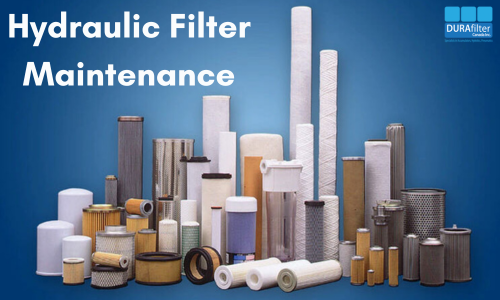
Maintaining fluid cleanliness through quality hydraulic filtration prevents contamination damage causing noise and premature failure. Proper filtration proves far less expensive than pump repairs resulting from contaminated fluid operation.
System flushing during installation removes built-in contamination before it damages new pumps. Thorough flushing procedures prevent immediate damage that shortens component life and creates noise problems.
Also Learn About Hydraulic Filter Maintenance
Relief Valve and Circuit Noise
Sometimes noise attributed to pumps actually originates from relief valves or circuit components responding to pump output.
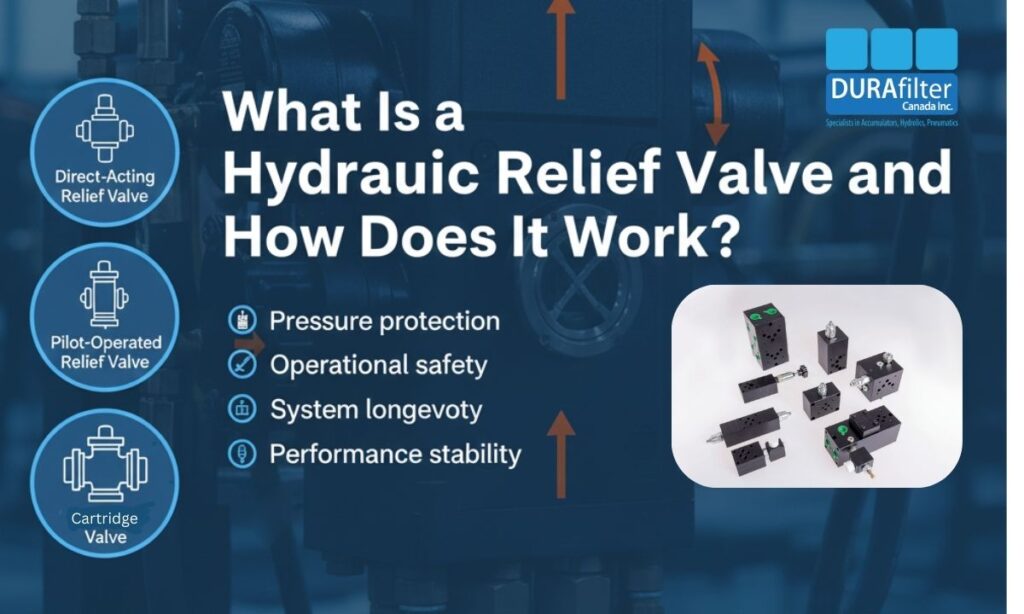
- Relief valve chatter occurs when valves cycle rapidly between open and closed positions, creating hammering noise often mistaken for pump problems. Proper relief valve sizing and adjustment eliminates this issue.
- Pressure spike noise from shock loads creates hammering throughout systems, with noise transmitted through rigid piping to pump mountings. Accumulator installation dampens pressure spikes reducing noise and protecting components.
Learn: Warning Signs of Hydraulic Pump Failure
Systematic Noise Troubleshooting Procedure
Following organized diagnostic procedures identifies noise sources efficiently:
- Document baseline noise during normal operation for comparison when problems develop
- Verify fluid level and condition eliminating simple causes before complex diagnosis
- Check for external leaks indicating seal problems or loose connections
- Inspect inlet conditions including strainer condition, line size, and connection security
- Monitor operating temperature as overheating often accompanies noise problems
- Test system pressure verifying normal operation and relief valve function
- Isolate noise source using mechanics stethoscope or contact microphone
- Compare observations against known noise characteristics identifying probable causes
FAQs
Why is my hydraulic pump suddenly louder than normal?
Sudden noise increases typically indicate cavitation from restricted inlet flow, aeration from air leaks, or bearing failure from contamination damage. Immediate investigation prevents catastrophic failure and extensive damage. Never ignore sudden pump noise changes, they signal problems requiring prompt attention.
How do I know if hydraulic pump bearings are failing?
Bearing failure produces grinding or knocking sounds that worsen with load and operation time. Failed bearings allow shaft deflection creating additional internal damage. Temperature increases often accompany bearing problems as friction generates heat beyond normal levels.
What causes intermittent hydraulic pump noise?
Intermittent noise often results from air entrainment creating variable noise as air content fluctuates, or from loose components impacting during load changes. Temperature-dependent problems like cold-start cavitation also create intermittent noise resolving as fluid warms and viscosity decreases.
Can contaminated hydraulic fluid make pumps noisy?
Contamination causes noise through multiple mechanisms including particle damage creating rough surfaces, and by clogging inlet strainers causing cavitation. Maintaining proper fluid cleanliness through effective filtration prevents contamination-related noise and extends pump life significantly.