Equipment manuals specify hydraulic oil viscosity grades for good reasons, yet facilities routinely substitute available oils without understanding performance consequences. Using ISO 46 hydraulic oil in systems designed for ISO 32 doesn’t provide “extra protection”, it creates sluggish operation and potential cavitation. Conversely, running ISO 32 in heavy equipment specified for ISO 46 accelerates wear through inadequate lubricating film thickness.
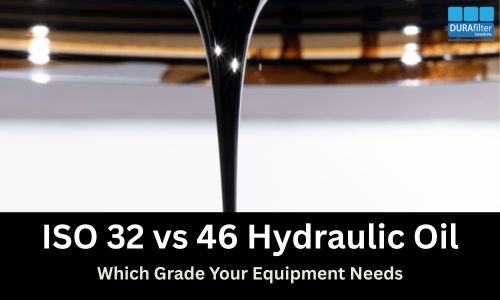
Understanding the difference between 32 and 46 hydraulic oil extends beyond thickness measurements. These viscosity grades determine how equipment performs across temperature ranges, load conditions, and duty cycles. Selecting appropriate oil protects components while optimizing efficiency, while using the wrong grade costs money through increased energy consumption, premature wear, and reduced productivity.
This examination clarifies what these grades mean, when each performs optimally, and how to make informed decisions balancing equipment requirements against operating conditions.
Understanding ISO Viscosity Grades
The International Organization for Standardization (ISO) established viscosity classifications that standardize hydraulic oil specifications globally. ISO viscosity grades indicate oil thickness at 40°C (104°F), representing typical operating conditions for most hydraulic equipment.
- ISO 32 hydraulic oil has a viscosity of 32 centistokes (cSt) at 40°C, making it the thinner option. This lower viscosity means the oil flows more readily, offering less resistance to pump intake and component movement. The fluid nature makes it ideal for applications where rapid response and efficient flow matter more than extreme pressure protection.
- ISO 46 hydraulic oil measures 46 cSt at the same temperature, approximately 44% higher viscosity than ISO 32. This increased thickness creates thicker lubricating films that better separate metal surfaces under heavy loads, providing superior protection in demanding applications while requiring more energy to circulate.
- Anti-wear (AW) additives in AW32 vs AW46 hydraulic oil formulations protect components from metal-to-metal contact. These zinc-based additives form protective films on metal surfaces, preventing wear when oil films become too thin. The difference between AW32 and AW46 hydraulic oil lies primarily in viscosity. Both receive similar anti-wear protection.
Key Performance Differences- ISO 32 vs 46 hydraulic oil
Temperature Behavior
The difference between ISO 32 and 46 becomes most apparent in temperature extremes. ISO 32 hydraulic oil maintains fluidity at lower temperatures, making it superior for cold weather operation or unheated facilities. Equipment starting in cold conditions experiences less strain on pumps when using lower viscosity oils that flow readily despite temperature challenges.
- Pour point ratings indicate the lowest temperature where oil maintains flow capability. ISO 32 grades typically flow at temperatures 5-10°F lower than ISO 46 equivalents. This cold-flow advantage matters for outdoor equipment or facilities without climate control.
- Operating temperature ranges define where each grade functions optimally. ISO 32 works best in systems operating between 32°F and 100°F, while ISO 46 suits applications running 50°F to 130°F. Understanding what is the difference between 32 and 46 hydraulic oil in temperature performance guides appropriate selection.
- Load Protection and Film Strength
- When comparing ISO 32 vs ISO 46 hydraulic oil performance under load, film strength increases with viscosity. ISO 46 maintains better separation between metal surfaces when pressures try squeezing lubricant from contact zones. Heavy equipment operating under maximum load specifications benefits from this enhanced protection.
- Shock loading protection improves with thicker oils that cushion sudden pressure spikes. Equipment experiencing impact loads, rapid direction changes, or cyclical stress benefits from ISO 46’s ability to absorb shocks without component contact.
Flow Efficiency
- Pump efficiency varies between grades as thicker oils require more energy moving through systems. ISO 32 places less load on pumps, reducing power consumption while enabling faster response times. Systems with long piping runs or multiple control circuits particularly benefit from reduced flow resistance.
- Energy consumption typically runs 5-15% higher with ISO 46 versus ISO 32 in identical systems at the same temperature. This efficiency difference becomes significant over thousands of operating hours, though energy costs must be balanced against component protection needs.
When to Choose ISO 32 Hydraulic Oil
- Indoor manufacturing equipment operating in climate-controlled facilities benefits from ISO 32’s improved efficiency and response time. Power units for machine tools, assembly equipment, and material handling systems typically perform well with ISO 32 formulations.
- Precision control systems requiring rapid response and accurate positioning benefit from ISO 32’s faster flow characteristics. Injection molding machines, CNC equipment, and automated assembly systems often specify lower viscosity grades enabling precise control valve operation.
- Low-pressure systems under 1,500 PSI rarely need the enhanced protection of thicker oils. These applications prioritize flow efficiency over extreme pressure capability, making ISO 32 the logical choice.
- Cold climate operation makes ISO 32 preferable when ambient temperatures regularly fall below 50°F. The cold-weather advantages of thinner oil outweigh theoretical protection benefits from higher viscosity grades that become too thick at actual operating temperatures.
When to Choose ISO 46 Hydraulic Oil
- Construction equipment faces demanding duty cycles with high loads, contamination exposure, and temperature extremes. Excavators, loaders, and bulldozers typically specify ISO 46 or heavier grades providing robust protection under challenging conditions.
- High-pressure systems above 2,500 PSI benefit from thicker oils maintaining adequate film strength under extreme pressures. Industrial presses and heavy manufacturing equipment operating at maximum pressure ratings need the additional protection ISO 46 provides.
- Outdoor mobile equipment operating in warm climates performs better with ISO 46 maintaining proper viscosity despite high ambient temperatures. Agricultural machinery, forestry equipment, and summer construction applications experience operating temperatures where ISO 32 becomes too thin.
- Continuous-duty applications running for extended periods under sustained loads generate heat that reduces oil viscosity. Starting with thicker ISO 46 oil provides margin ensuring adequate protection throughout operating cycles.
Common Selection Mistakes Between Hydraulic Oil 32 & 46
Using Thicker Oil Than Specified
- Understanding the difference between ISO 32 and ISO 46 prevents the misconception that thicker oil always provides better protection. When comparing hydraulic fluid 32 vs 46 performance, excessively thick oil creates pump cavitation, sluggish response, and increased power consumption without meaningful protection benefits in properly designed systems.
- Cold weather problems multiply when using ISO 46 in low-temperature environments. Pumps struggle drawing thick oil during cold starts, potentially causing cavitation damage while straining drive motors.
Using Thinner Oil Than Required
- Inadequate film strength occurs when ISO 32 runs in heavy equipment specified for ISO 46. Component wear accelerates as thinner oils fail maintaining proper separation under high loads and pressures, generating contamination causing system-wide damage.
- Temperature-related breakdown happens faster with lighter oils operating beyond capability ranges. ISO 32 formulations reaching operating temperatures above 130°F lose viscosity to levels providing inadequate protection.
Making the Right Choice – ISO 32 vs ISO 46
When evaluating ISO 32 vs ISO 46 hydraulic fluid options, several factors guide appropriate selection:
- Manufacturer specifications should guide initial selection. Equipment designers consider pump types, system pressures, and expected operating conditions when specifying viscosity grades. The difference between ISO 32 and ISO 46 hydraulic fluid reflects specific engineering requirements for optimal performance.
- Operating temperature documentation throughout equipment duty cycles reveals actual viscosity requirements. Oil operating consistently above 120°F may benefit from heavier grades than cold-start conditions suggest.
- Load profile analysis distinguishes between peak and average loading conditions. Equipment occasionally reaching maximum ratings may not require the protection level needed for continuous high-load operation.
- Seasonal considerations in equipment operating year-round outdoors may justify oil changes between summer and winter months. Using ISO 32 during cold seasons then switching to ISO 46 for warm weather provides optimal performance across temperature extremes.
Multi-Grade and Synthetic Options
- Wide-temperature-range synthetics offer performance advantages over conventional single-grade oils when equipment faces extreme seasonal variations. Quality synthetic formulations maintain usable viscosity across temperature ranges where conventional oils become either too thick or too thin.
- Multi-viscosity hydraulic fluids provide cold-weather flow characteristics similar to ISO 32 while maintaining high-temperature protection approaching ISO 46 performance. These formulations cost more but may eliminate seasonal oil changes.
Quality Beyond Viscosity Grade
When comparing ISO 46 vs ISO 32 performance, remember that base oil quality affects results more than viscosity differences in many applications. Premium Group II or Group III base stocks provide superior oxidation resistance, thermal stability, and viscosity index regardless of viscosity grade.
- Additive packages distinguish premium hydraulic oils from economy alternatives. Quality anti-wear additives, rust inhibitors, and anti-foam agents protect components better than viscosity grade alone determines.
- Contamination control through proper filtration protects equipment more effectively than viscosity grade selection alone. Clean ISO 32 oil outperforms contaminated ISO 46 in every performance parameter. Maintaining fluid cleanliness through quality filter elements should take priority over debating viscosity grades when both fall within acceptable ranges.
Learn More About: Hydraulic Fluid Contamination
Practical Decision Framework- ISO 32 vs ISO 46
Understanding what is the difference between ISO 32 and ISO 46 hydraulic fluid enables informed selection:
Choose ISO 32 when:
- Operating in consistently cold environments (below 50°F)
- Equipment operates at pressures under 1,500 PSI
- Rapid response and precision control are priorities
- Energy efficiency matters in climate-controlled facilities
- Manufacturer specifications call for ISO 32 or lower
Choose ISO 46 when:
- Equipment operates in warm climates or high ambient temperatures
- System pressures exceed 2,500 PSI regularly
- Heavy shock loads or continuous high-duty cycles occur
- Outdoor mobile equipment faces demanding conditions
- Manufacturer specifications call for ISO 46 or higher
The difference between ISO 32 and ISO 46 reflects specific engineering requirements rather than one grade being universally superior. Professional hydraulic services can provide guidance when standard recommendations don’t clearly apply to specific situations.
Understanding hydraulic oil 32 or 46 selection enables informed decisions matching equipment needs to operating realities. Following manufacturer recommendations while considering actual operating conditions ensures hydraulic systems receive the protection and performance they require without sacrificing efficiency or increasing unnecessary operating costs.
Need help selecting the right hydraulic oil grade? Contact our team for expert guidance.